Why I Keep Returning to the Same Landscapes…
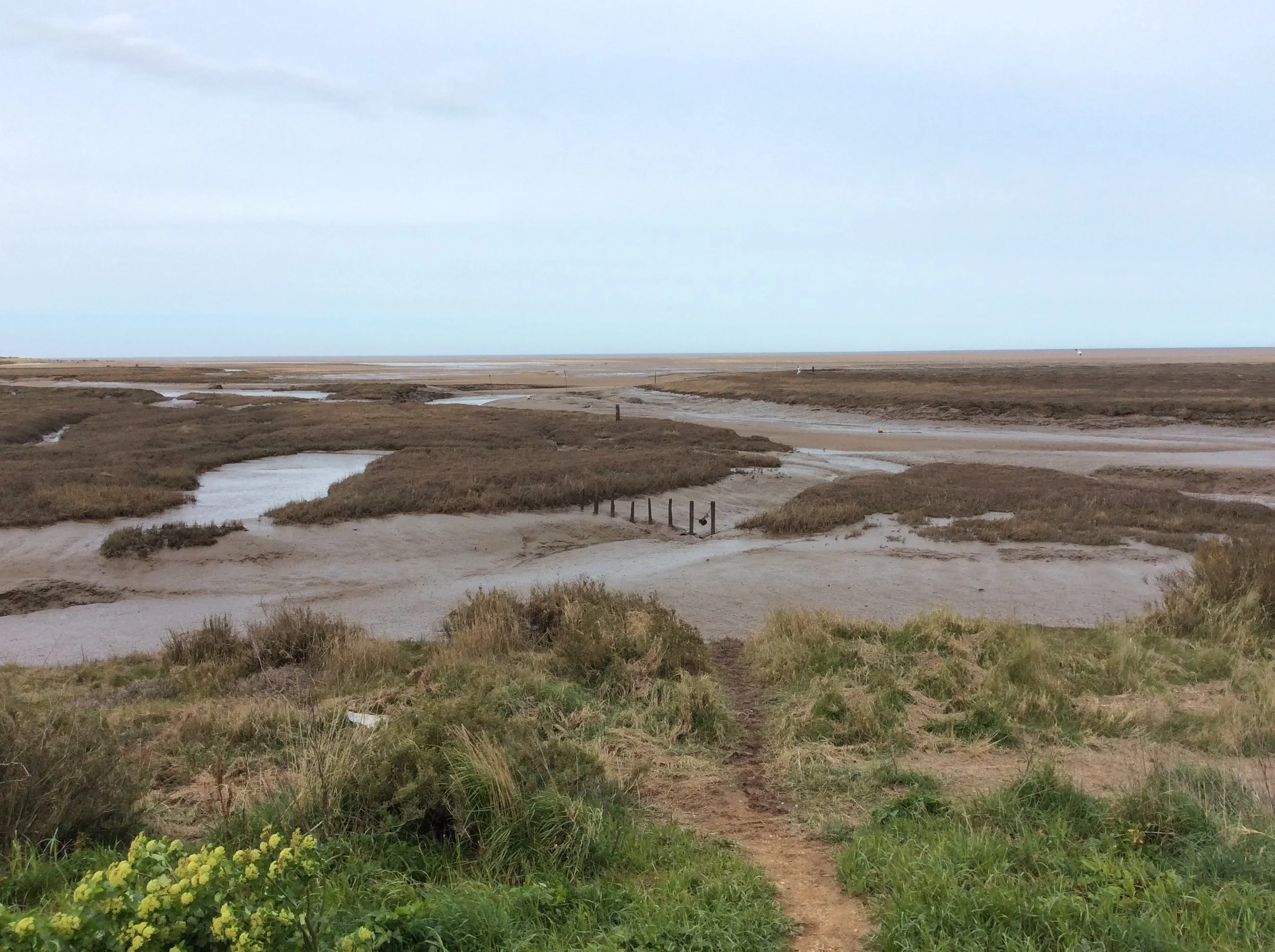
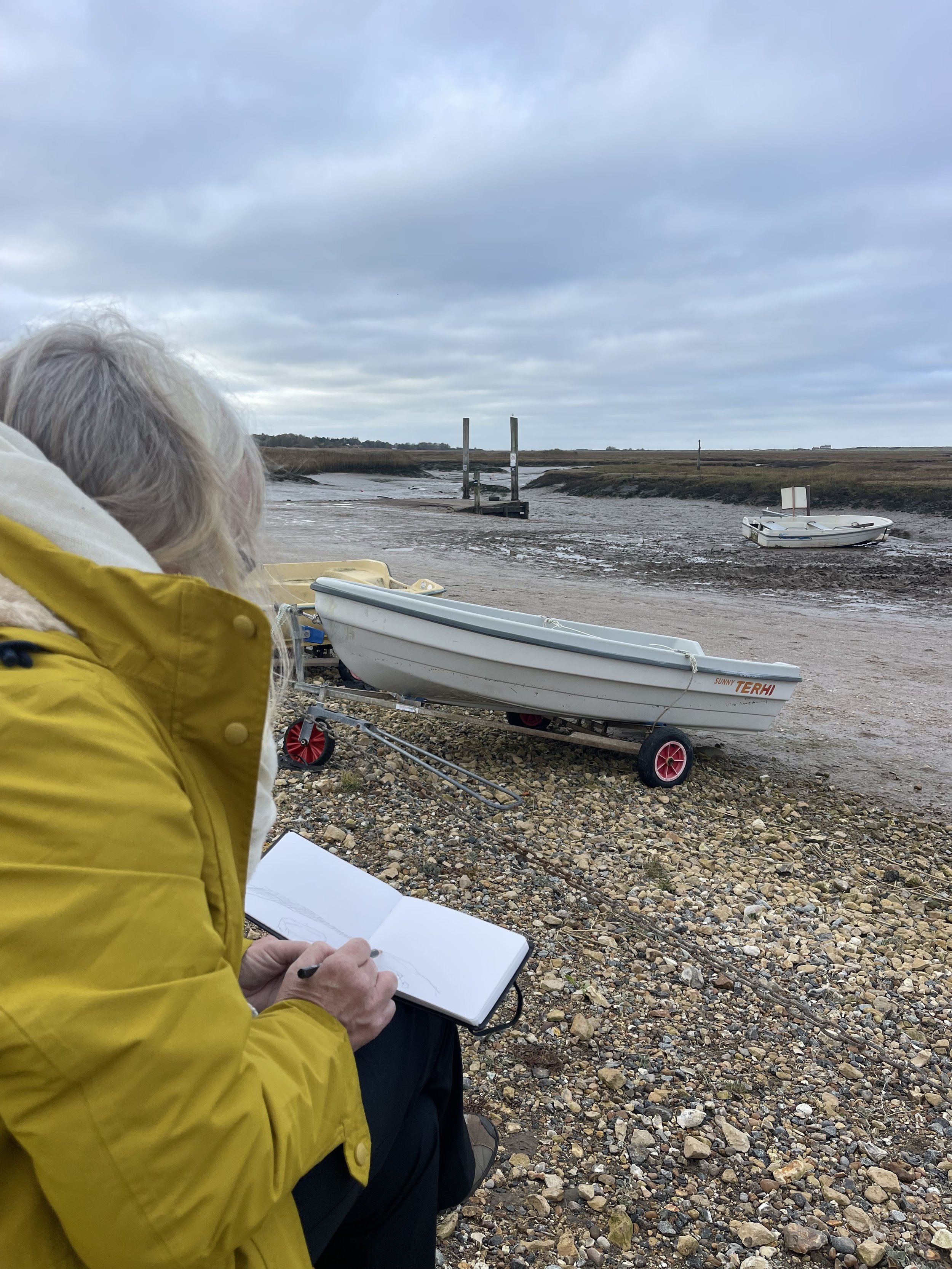
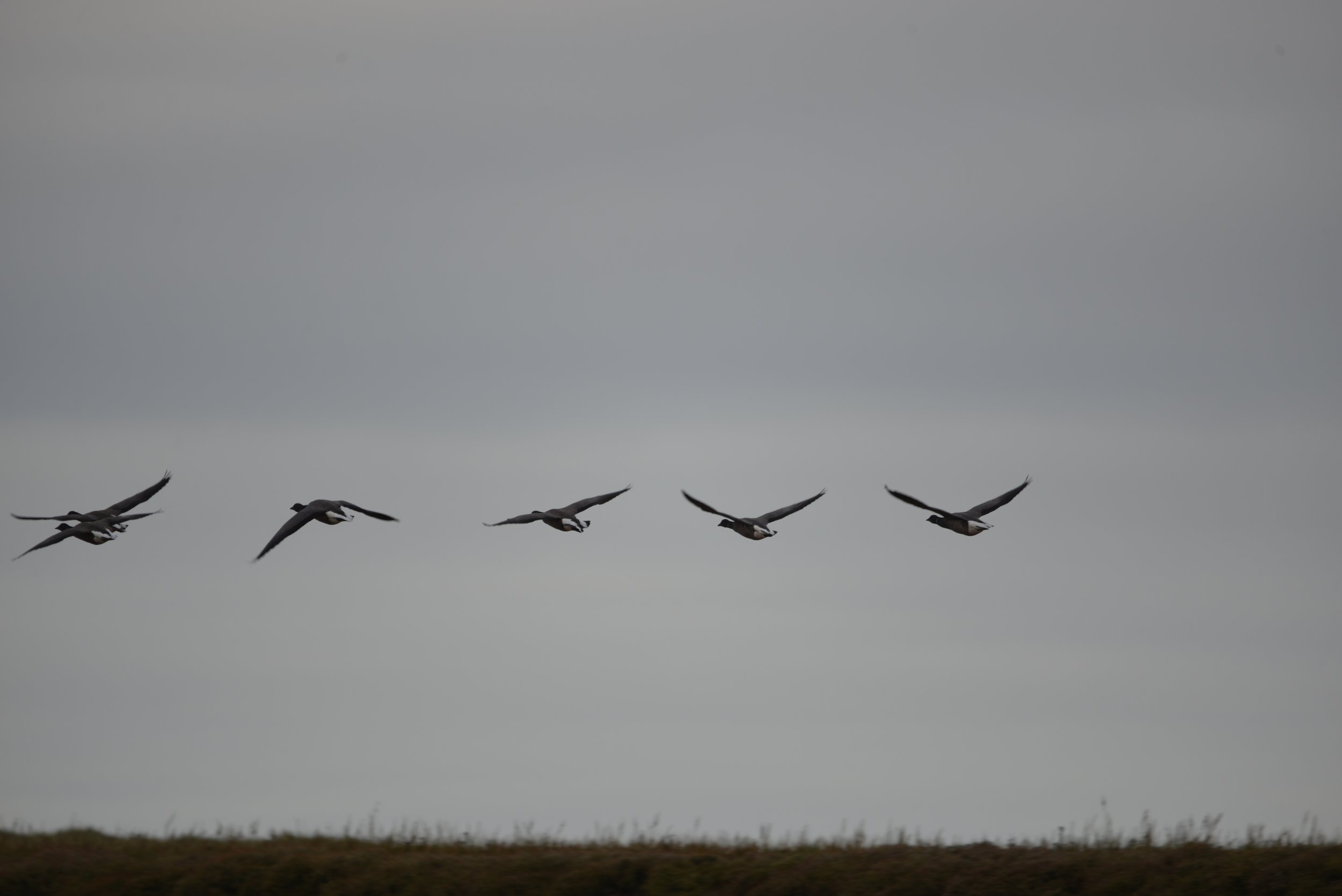
There’s a question I’m asked fairly often — sometimes by others, sometimes quietly by myself — why do you keep returning to the same landscapes?
Why the marshes and big skies of the Norfolk coast?
Why the long horizons, the shifting light, the meeting of land, sea, and sky?
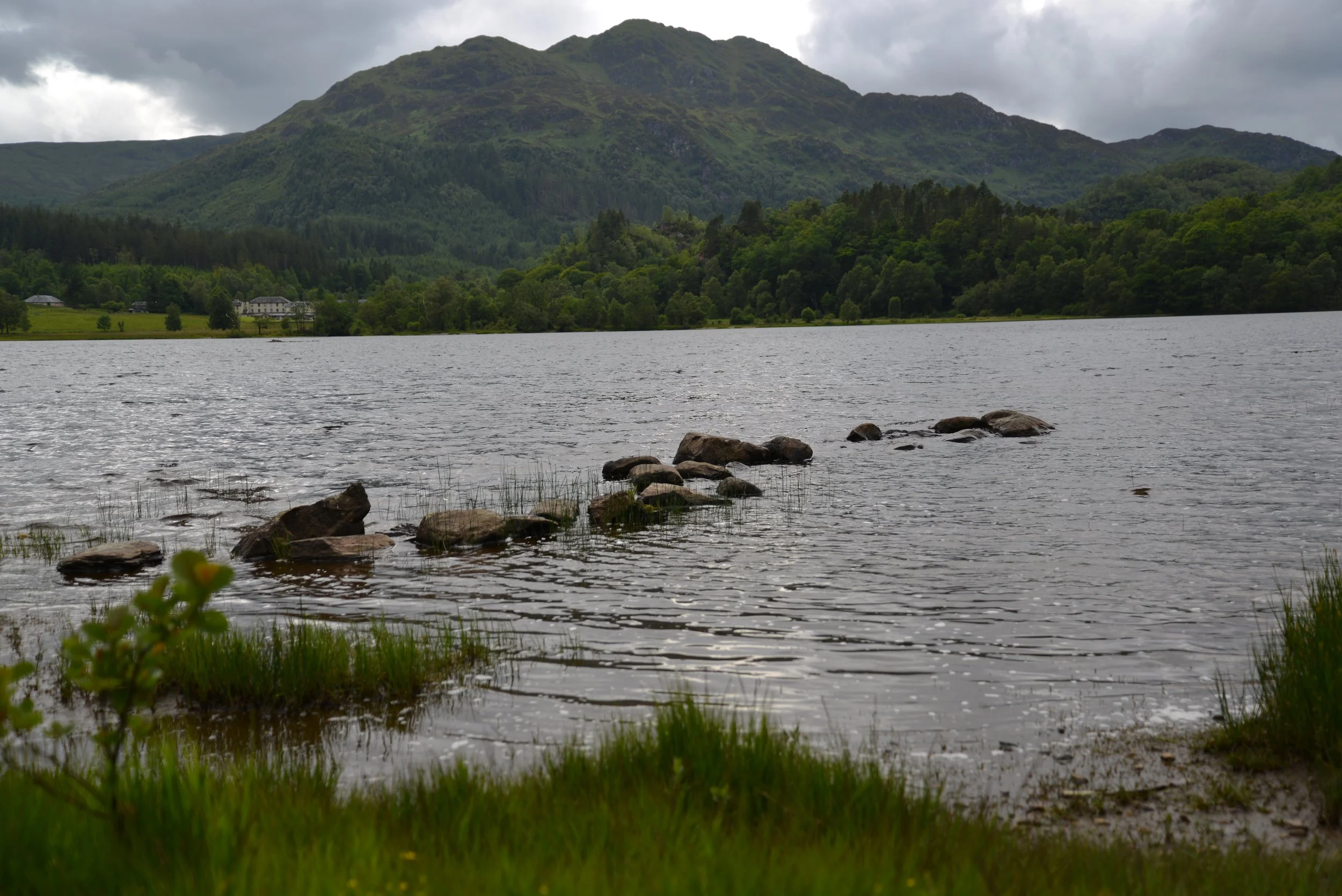
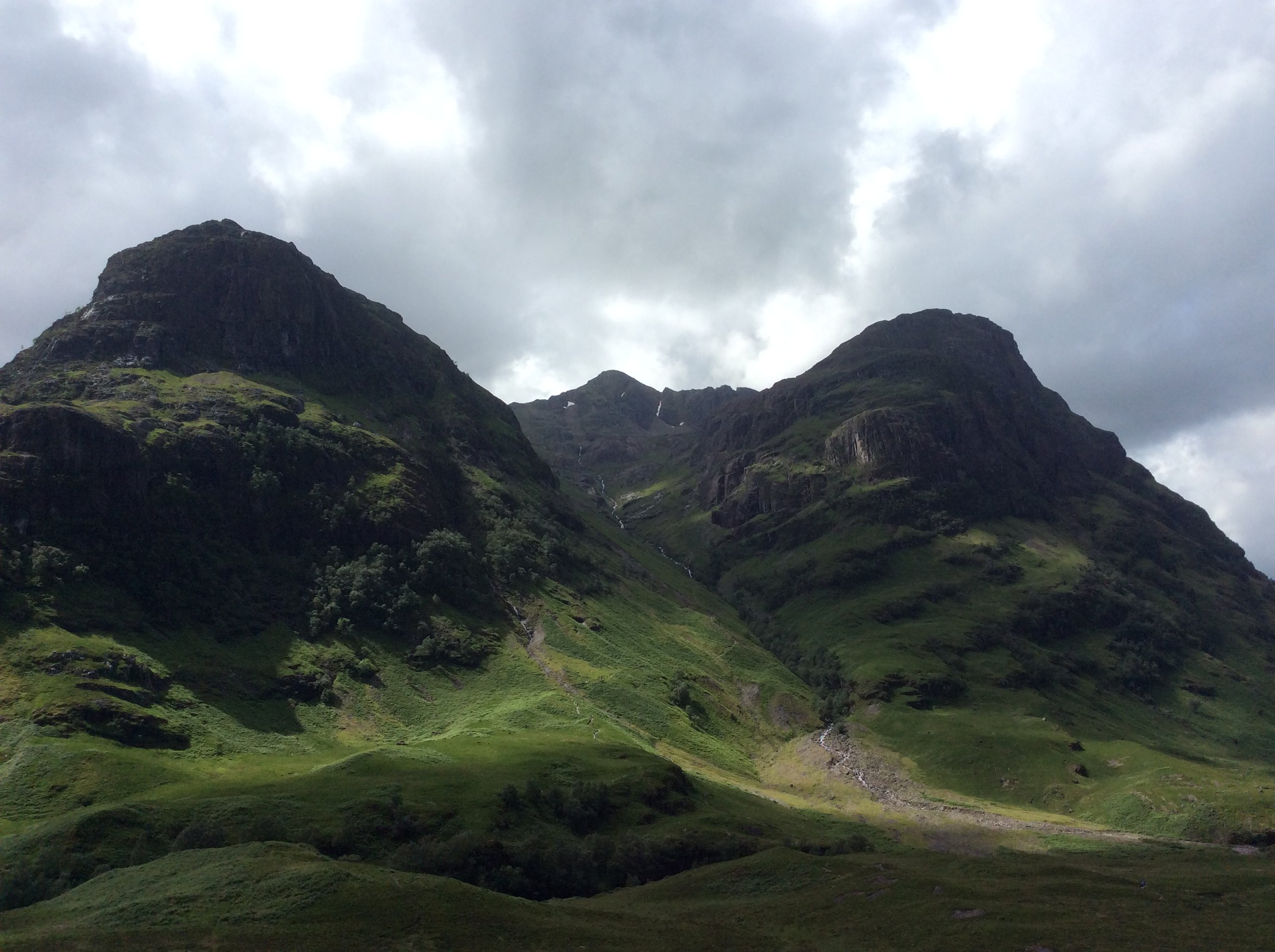
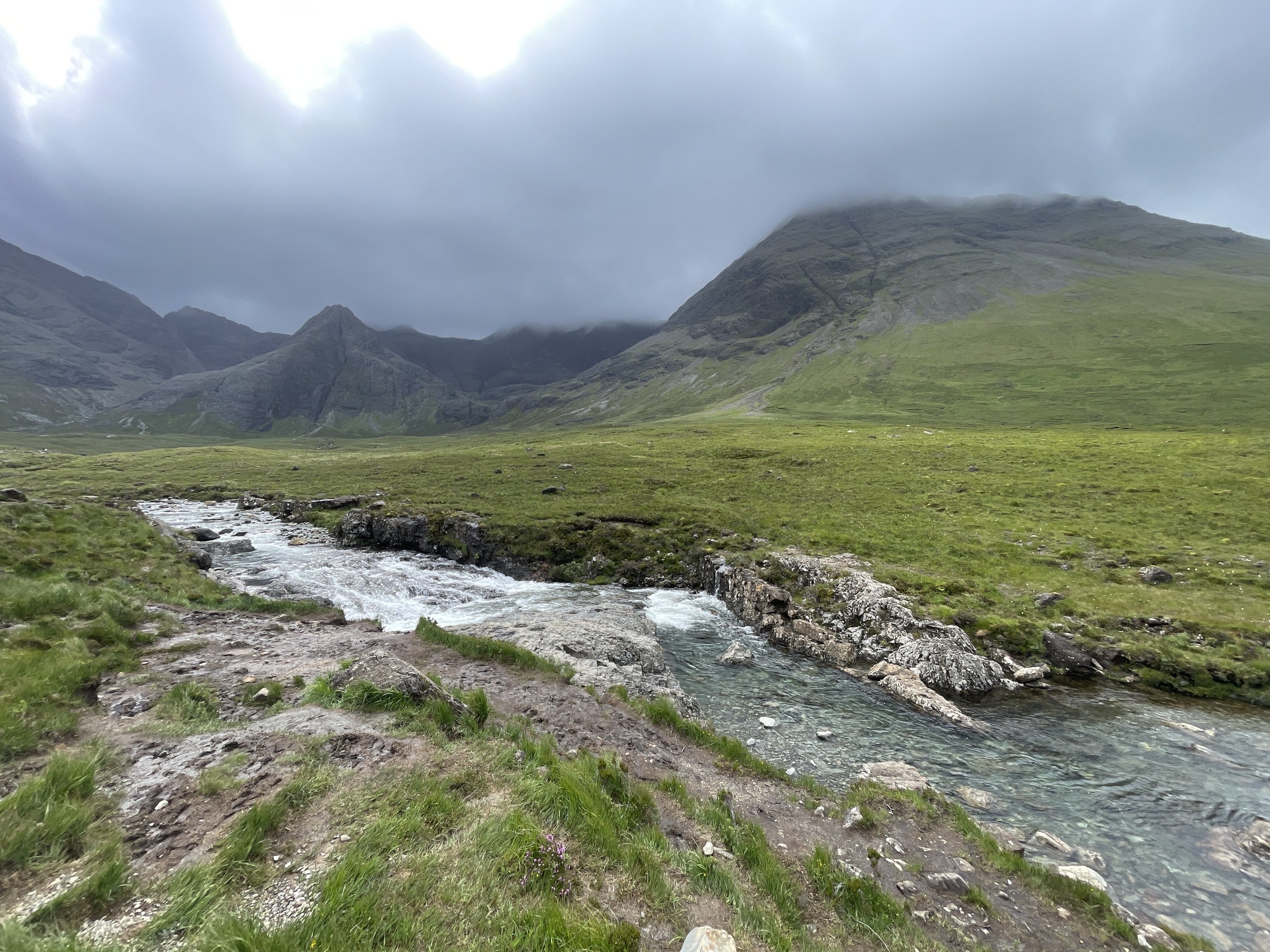
And equally, why the pull of the mountains — the brooding forms of Glencoe, the vast openness of the Isle of Skye, the sense of scale and weather that feels so far removed from everyday life.
For a long time, I worried that returning again and again to the same places meant I wasn’t being adventurous enough. That perhaps I should be constantly seeking new views, new subject matter, new visual challenges. But over time, I’ve come to realise that repetition isn’t limitation — it’s attention.
Mary Oliver writes,
“To pay attention, this is our endless and proper work.”
And that feels at the heart of it.
Landscapes as Companions, Not Subjects
The landscapes I return to most often are not just places I visit — they’re places I know. Or perhaps more accurately, places that continue to reveal themselves slowly, over time.
The Norfolk coast offers a kind of quiet persistence. Reeds and marshes shifting with tide and season, light dissolving boundaries, subtle changes that reward stillness. It’s a landscape that asks you to slow down, to look again, to notice the almost imperceptible.
In contrast, the mountains of Scotland — Glencoe, Skye — carry a very different energy. They are vast, dramatic, uncompromising. Weather rolls through quickly, light changes in moments, and the sense of human smallness is always present. Yet even there, it’s not the drama alone that draws me back — it’s the way familiarity allows me to move beyond the obvious and into something deeper.
As the writer Nan Shepherd observed in The Living Mountain:
“The thing to be known grows with the knowing.”
Each return deepens the relationship.
Returning as a Creative Practice
When I return to the same landscapes in my work, I’m not trying to recreate a specific place or moment. Instead, I’m responding to memory, atmosphere, rhythm — the emotional residue of being there.
Working this way has also taught me something important about my own creative rhythm. Familiar landscapes free up mental space. They allow me to focus on process, mark-making, colour, and mood rather than constantly trying to solve what to paint. In that sense, returning becomes a form of creative grounding.
The artist Agnes Martin once said,
“You can only work for so long before you need to return to what is simple and true.”
For me, these landscapes are that return.
The Universal in the Specific
Perhaps the real reason I keep coming back is that these places hold something universal. The meeting of sea and sky. The pull between shelter and exposure. Stillness and movement. Silence and sound.
Whether it’s the quiet hush of the marshes or the wind-scoured slopes of Skye, the landscapes I return to again and again seem to mirror internal states — places of reflection, uncertainty, calm, and resilience.
And maybe that’s why they continue to feel inexhaustible.
As Rainer Maria Rilke wrote,
“Try to learn to love what is simply there.”
Each return is an invitation to do just that.