Field Notes | All Fields
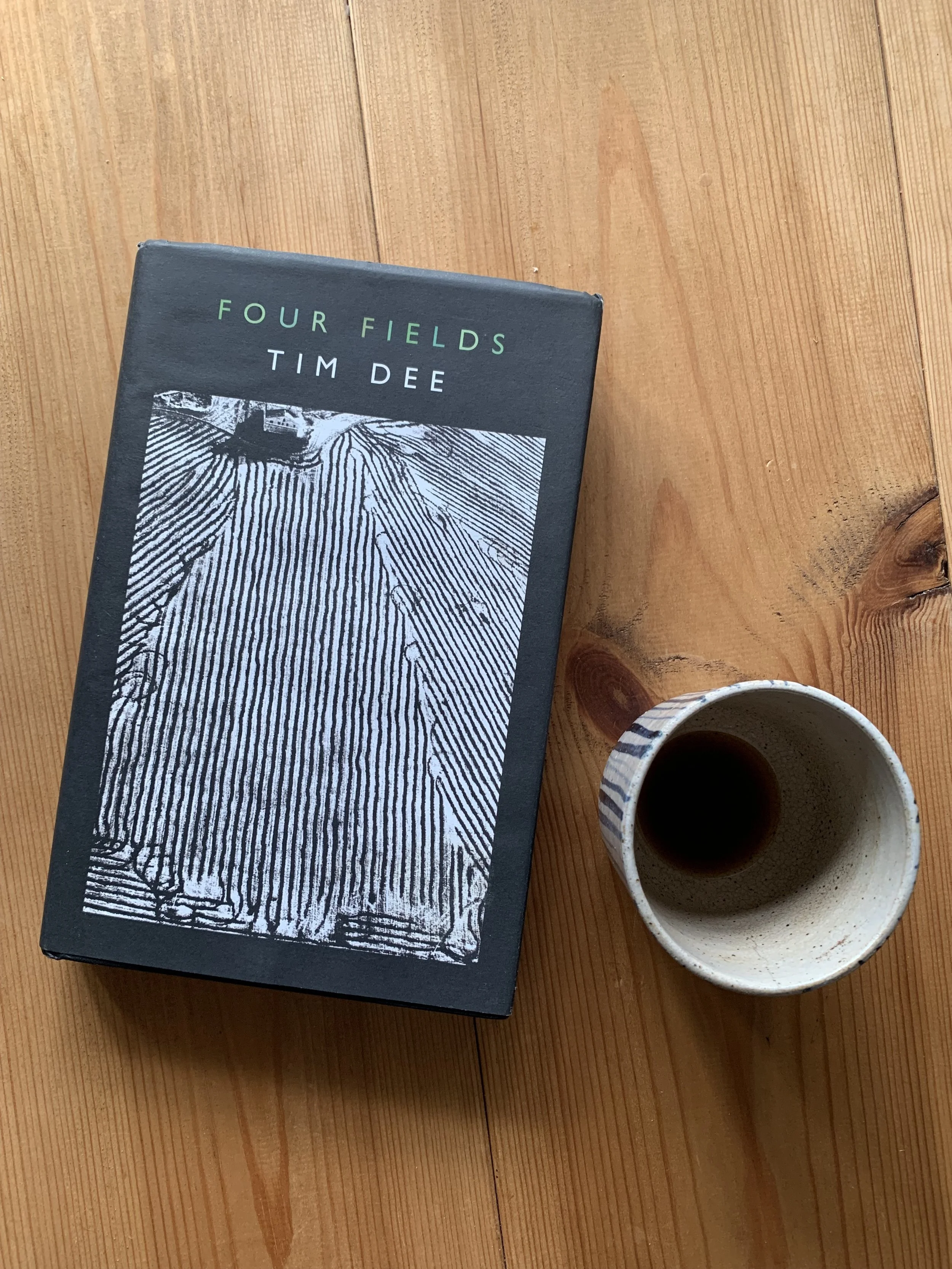
On the coffee table this week…
“All Fields are places of outlasting transience. They reset time. Each has a past but each lives in the present; each has a biography but it is still a work to progress.”
— Tim Dee, Four Fields
I have been thinking about fields lately.
Not because anything particularly remarkable has happened in them.
Perhaps that is precisely the point.
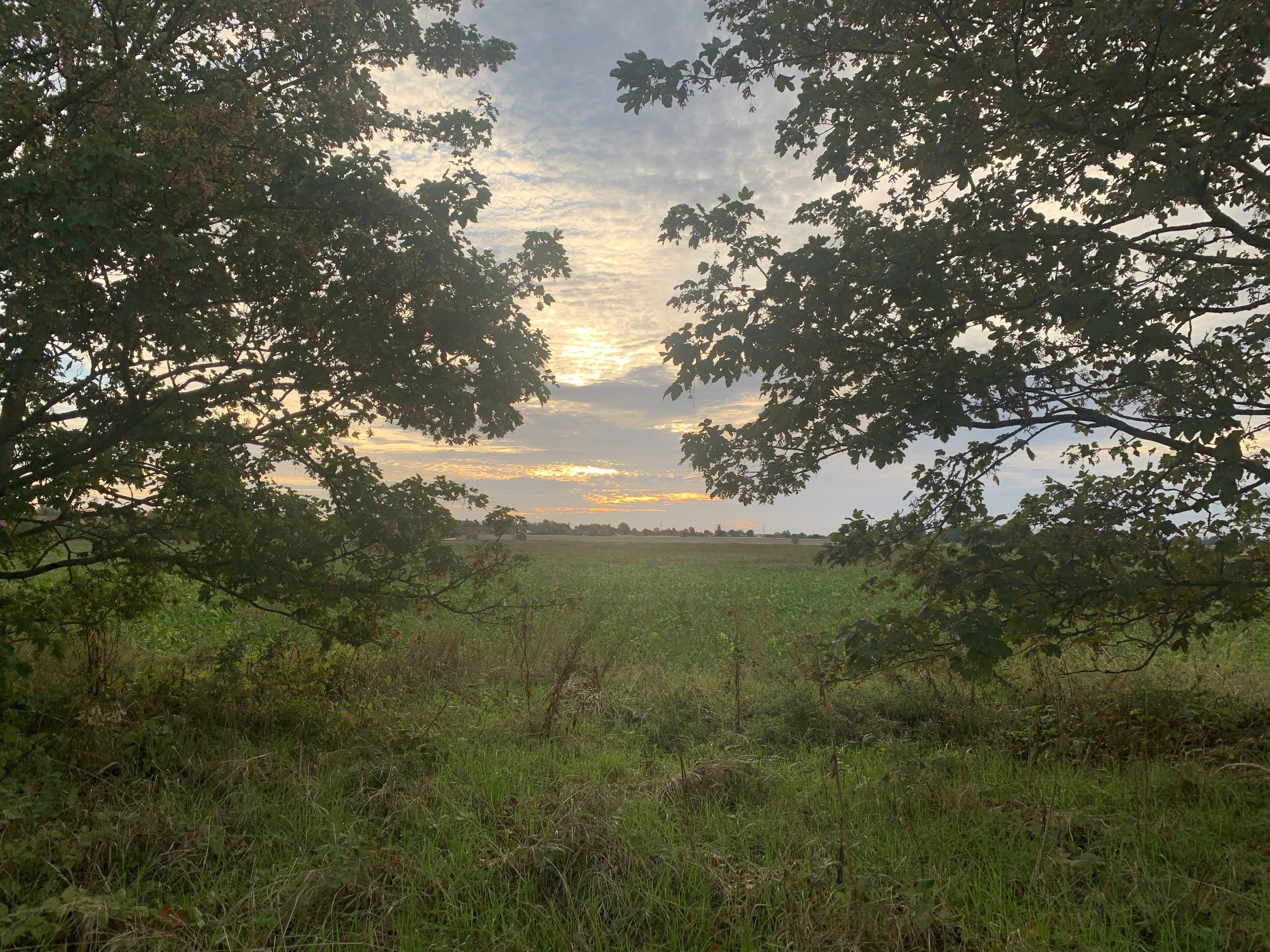
I walk through the fields around me often. I know the tracks, the hedges, the familiar trees. I know the way the horizon disappears into a pale morning sky, and how the same view can look entirely different under rain, mist or evening light.
And yet the fields are never quite the same.
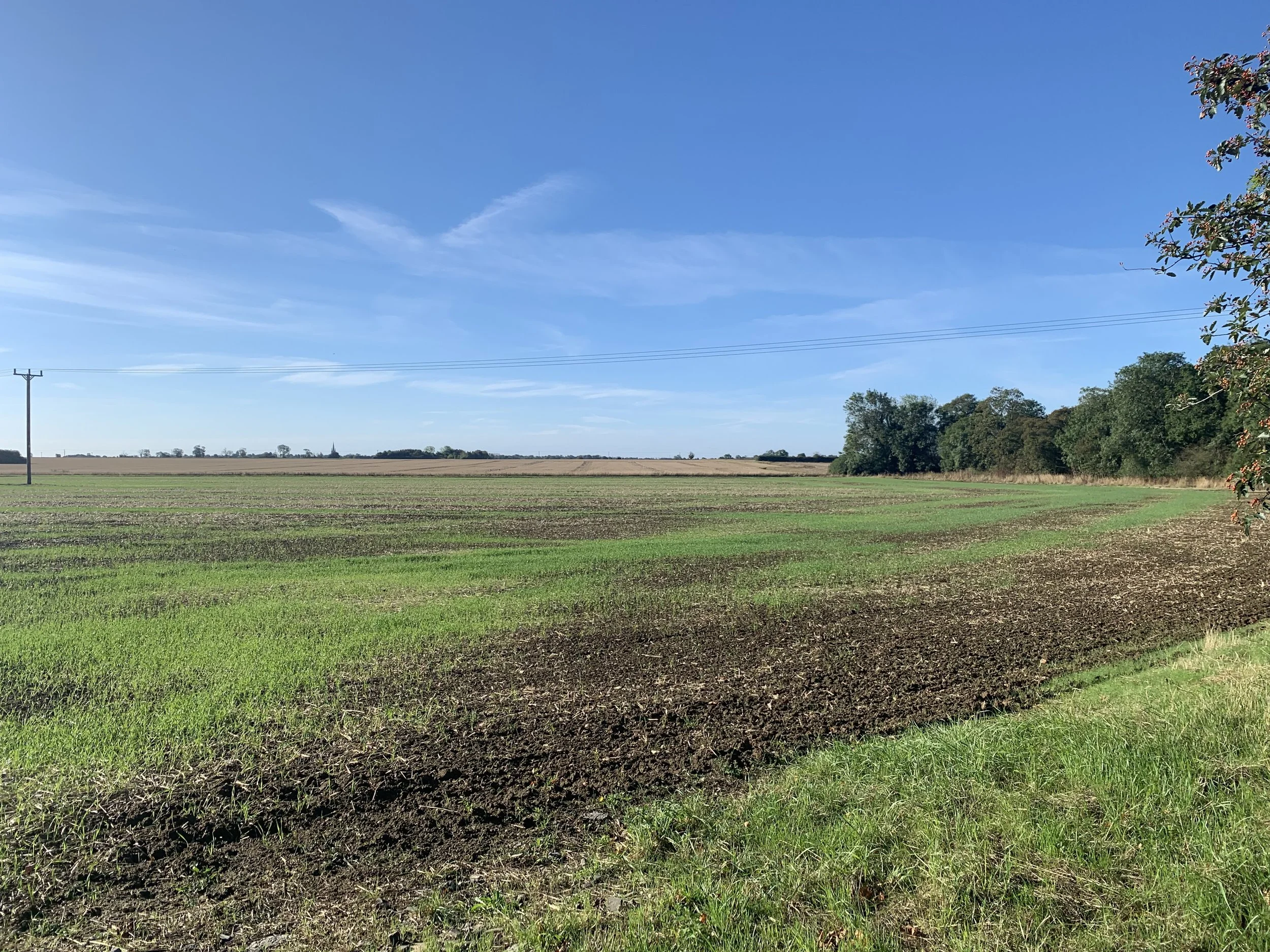
One week there is bare earth. Then small shoots appear, almost imperceptibly, and before long the field is green. Later it changes again — taller, heavier, ripening, harvested, empty. The track becomes muddy. The grass dries. A hedge thickens and then thins. The light shifts with the seasons.
Everything changes.
And yet the field remains.
This is what I love about the phrase “outlasting transience.”
A field holds so much time without seeming to hurry through it.
It has a past. Long before I walked across it, other people did. Other crops grew there. Other summers came and went. There have been wet winters and dry ones, good harvests and poor ones, generations of people who knew these fields in ways I never will.
But the field isn't simply a record of what has happened.
It is still becoming.
That seems important.
We are so accustomed to thinking about progress as movement. Forward. Onwards. Getting somewhere. Finishing something. Becoming better, more productive, more accomplished.
But a field offers a different kind of progress.
It changes constantly while remaining recognisably itself.
Perhaps that is why walking through fields can feel like a small resetting of time.
For a while, I stop measuring the day in all the usual ways.
There is no particular need to get anywhere. A few minutes can be enough. I can stand and look at something I have walked past a hundred times. A line in the soil. Seed heads moving in the wind. The shadow of a cloud crossing the crop. The distant shape of a tree.
Nothing has happened.
And yet something has.
I have noticed.
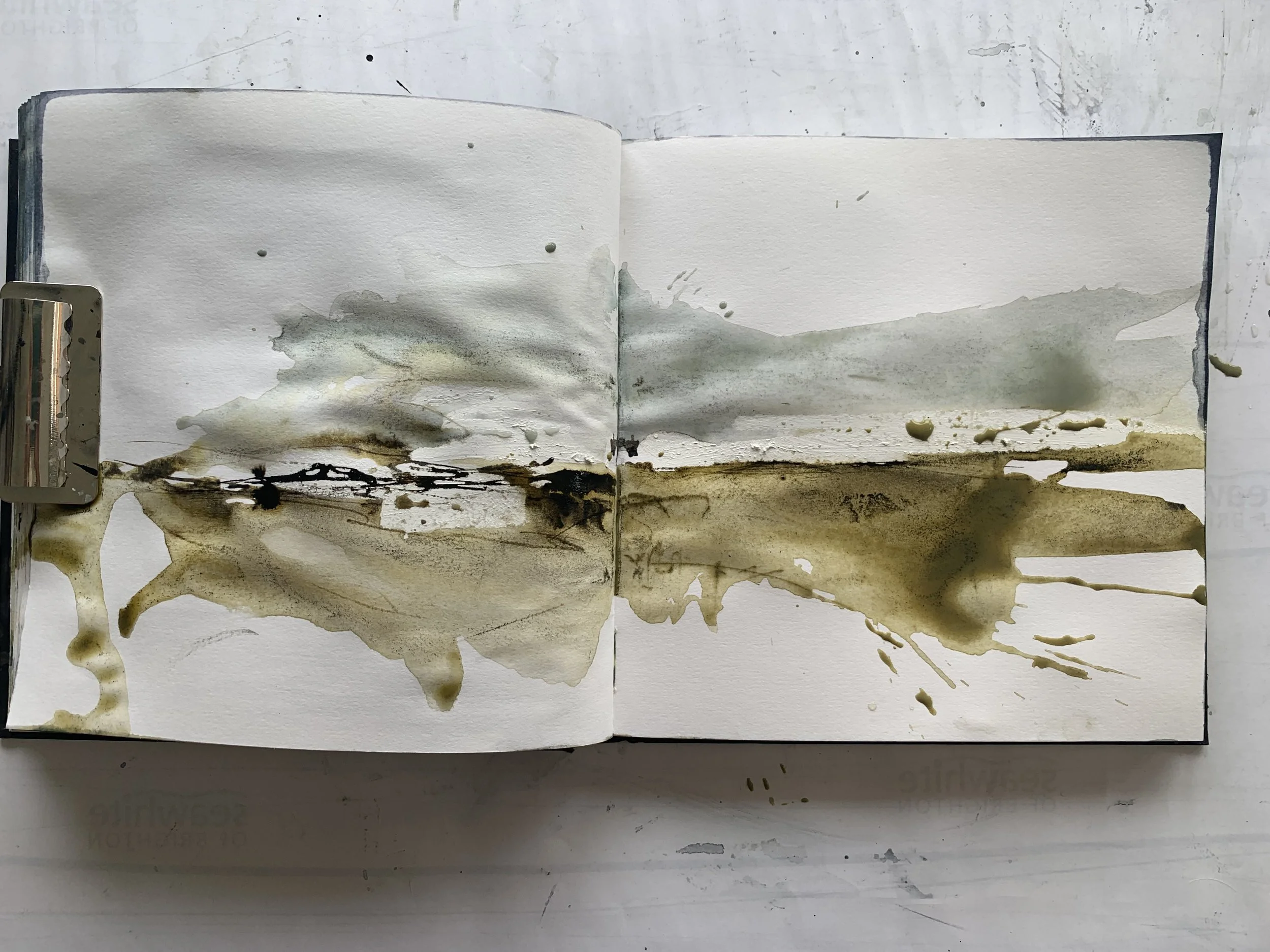
Perhaps this is part of why I keep returning to the same landscapes, and why I keep making work from them.
I am not trying to capture a particular field once and for all. I don't think that is possible anyway.
A painting, like a field, carries what came before it. Previous marks remain beneath later ones. Something is changed, covered, altered, added to. The work develops, but it doesn't erase its history.
Each piece has a biography.
And it is still a work in progress.
I find something reassuring in that.
Perhaps we are allowed to be like the fields too.
To have a past without being defined by it. To change without needing to become something entirely different. To return to the same places, the same questions, the same ways of looking, and still find something new.
There is no need for every walk to produce an encounter.
No need for every sketch to become a finished painting.
No need for every day to be productive.
Sometimes the field is simply there.
Changing slowly.
Holding time.
Waiting for us to notice.